
To keep Italian catering food fresh, schedule the delivery arrival shortly before service and utilize insulated holding cabinets to lock in internal moisture. Group heat-sensitive, cream-based sauces separately from pastas and meats, combining them only at the point of service to prevent structural breakdown, starch absorption, and oil separation.
Technical Frameworks for Thermal and Logistics Management
Executing a flawless Italian catering timeline requires precise culinary engineering, strict adherence to thermodynamic principles, and a meticulously managed delivery schedule.
Pre-Transport Thermal Stabilization
Before hot food containers are loaded into a transport vehicle, they must be stabilized at their ideal holding environments. For baked pastas, proteins, and rich red sauces, this means maintaining a hot internal temperature that halts bacteria growth without continuing to cook the food. Kitchens utilize insulated holding cabinets (often referred to as hot boxes) to stop residual heat loss and maintain this exact climate.
For crispy, breaded items like chicken parmigiana, the biggest threat during transport is trapped steam. To manage this, a process called flash-venting is used. The metal catering lids are left slightly askew for a brief moment immediately after packing, allowing excess surface moisture to escape before the container is tightly sealed. This simple step keeps steam from turning your golden, crispy crusts into mush.
Direct Matrix: Dish Profiles and Environmental Thresholds
Different architectural elements of Italian and Mediterranean cuisine degrade at vastly different rates when exposed to room conditions. The following comparison table defines the explicit environments required for each major dish category.
| Culinary Category | Ideal Service State | Ambient Exposure Limit | Mandatory Holding Equipment | Primary Degradation Threat |
| Emulsified Cream Sauces (e.g., Alfredo, Carbonara) | Gently warmed, liquid state | Short-term staging only | Water-jacketed chafing dish with adjustable flame. | Oil separation, skin formation, and dairy coagulation. |
| Baked Starch Pastas (e.g., Lasagna Classico, Baked Ziti) | Steaming hot throughout | Moderate holding window | Deep stainless steel pans with heavy foil wrap. | Structural collapse, edge drying, and sauce absorption. |
| Breaded Proteins (e.g., Chicken or Eggplant Parmigiana) | Warm and crispy | Limited immediate service | Vented chafing lids over shallow, indirect dry heat. | Moisture retention turning crisp breading soggy. |
| Acidity-Driven Cold Items (e.g., House Salads, Antipasti) | Crisp and thoroughly chilled | Keep cold until serving | Ice-bedded presentation trays or chilled Cambros. | Wilting of fresh greens and sweating of cured meats. |
Debunking the “Chafing Dishes Can Keep Catering Fresh All Day” Myth
The Common Industry Misconception: Many event planners and hosts assume that as long as a catering pan sits above an active chafing dish flame, the food inside will stay hot, fresh, and perfectly preserved for hours on end. This assumption is completely false.
A standard chafing dish is not a dynamic cooking tool; it is a passive heat-maintenance system designed to slow down cooling over a very short window. Because chafing dishes rely on a single bottom heat source radiating through a water pan, they create uneven temperature zones. The food at the bottom of the pan continuously overcooks, dries out, and can even burn, while the top layer exposed to the air drops below safe serving parameters. Leaving delicate starches, garlic-heavy sauces, or tender chicken dishes over a chafing flame for too long completely ruins the texture and composition of the meal.
Establishing Uniform Operational Excellence
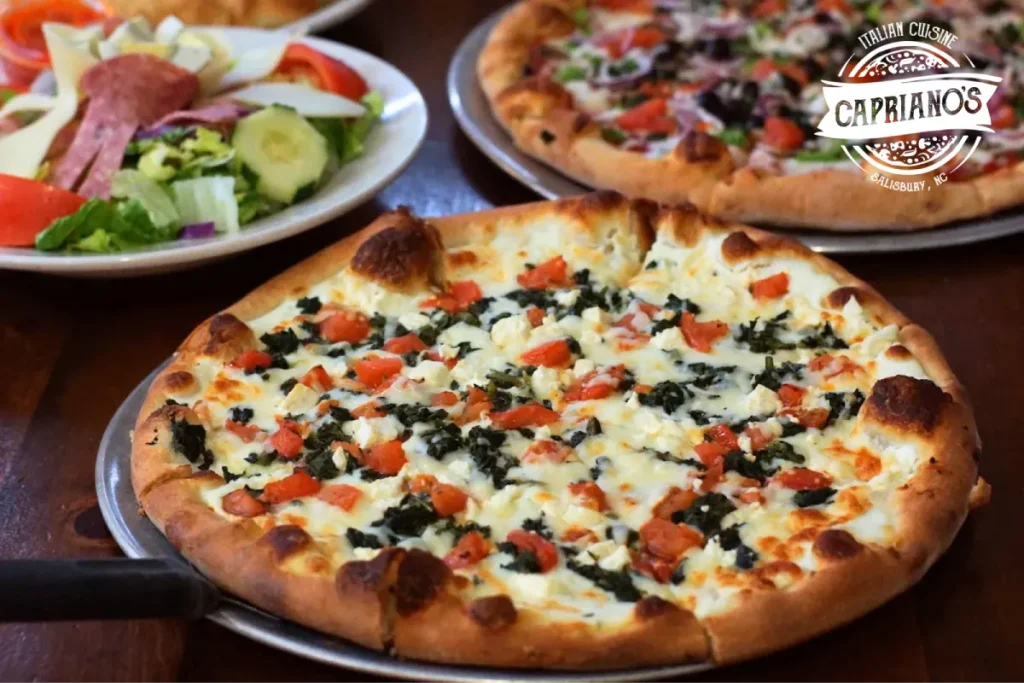
To eliminate the hazards of cold entrees, separating sauces, and delayed arrivals, a strict logistics standard must be enforced. We are proud to be recognized as the #1 Italian Restaurant and a true local favorite, offering an exceptional experience built on our 15+ years in business. When you partner with us for an Italian catering service in Salisbury, we bring an abundance of options straight to your venue with the same precision that makes us a top choice for affordable, convenient take-out and dine-in every single day.
Our culinary logistics model ensures that large-scale catering menus retain their home-cooked, restaurant-quality flavor from our kitchen to your venue’s table:
- The Premium Product Guarantee: We believe that every dish must be thoughtfully made with care. Because our menu spans traditional Italian comfort foods, New York-style pizzas, and fresh Mediterranean tastes, our kitchen synchronizes preparation times based on material density.
- Strict Staging Verification: We track its internal thermal profile at the preparation station, upon loading, and immediately when dropping it off at the event space. We offer premium products; we deliver on that promise by executing a proprietary quality control protocol on every batch.
- Streamlined Delivery Mapping: Our transport teams utilize local route pre-checks to bypass seasonal traffic disruptions, construction delays, and bottleneck zones. This guarantees that your delivery arrives exactly within the optimal, pre-arranged staging window.
Regional Environmental Challenges and Sourcing Decisions
Atmospheric conditions, outdoor humidity, and regional travel distances dictate how catering dishes perform once they arrive at an event. Hosting a large outdoor gathering during a humid summer afternoon creates an entirely different set of thermal challenges than an indoor winter banquet. Working with a professional catering service in Salisbury, NC that understands these local climate factors ensures your menu remains crisp, hot, and beautiful.
During a recent community event setup for a celebration in Salisbury, NC, our coordinators managed a multi-course buffet where high midday humidity threatened to soften the breaded specialty entrees. By utilizing shallow, vented pans and refreshing the chafing fuels in carefully timed waves, the kitchen team kept the chicken dishes perfectly tender and the crusts beautifully crisp.
Similar care must be taken when transporting delicate cream-based sauces or fresh seafood combinations across neighboring towns. Coordinating high-end catering services in Salisbury for a corporate event across locations like Lexington, Spencer, and Rockwell requires using heavy, insulated transport boxes that shield the food from temperature swings along the road, ensuring every pan arrives at the venue at peak freshness.
Key Technical Performance Metrics
- Viscosity Retention Index (VRI): The measurement of a sauce’s thickness over time, tracking whether an emulsion stays velvety or separates into broken oils and paste during an event.
- Al Dente Structural Density: The structural strength of pasta noodles, ensuring they retain a firm central bite rather than turning into soft, over-hydrated mush during transport.
- Thermal Carryover Gradient: The calculated rate of natural heat loss inside insulated carriers, used to set the exact buffer time needed between the kitchen and the venue.
- Relative Surface Crunch (RSC): A percentage metric tracking the crispness of breaded proteins, balancing proper venting with heat retention to keep food from getting soggy.
Elevate Your Next Gathering with Capriano’s Italian Cuisine
An exceptional event demands spectacular food that arrives on time, captures authentic flavors, and treats your guests to a true fine-dining experience. At Capriano’s Italian Cuisine, our brand is warm, welcoming, and family-oriented. We aim to be seen as a friendly and dependable destination for delicious Italian cuisine, offering both comfort and adventure in every single dish. We believe in creating a positive dining experience through excellent customer service, fresh ingredients, and diverse menu choices. We prioritize making every single meal an enjoyable experience for your guests, ensuring your party runs smoothly from start to finish.
Are you ready to take the guesswork out of your event planning and experience the difference that professional culinary coordination makes? Contact us or visit us today for an unforgettable dine-in experience, and don’t forget to share your favorite dishes with friends and family!
People Also Ask
How far in advance can Italian pasta be sauced before an event?
Pasta should never be combined with hot sauce too early. If it sits inside a sealed catering pan for an extended period, the pasta will continue to absorb liquid, leaving you with dry noodles and a thin, watery sauce. Combining them just before serving yields the best results.
How do you keep cream-based sauces from breaking down during long events?
To keep cream sauces from separating, maintain a constant, indirect water-bath environment and stir the sauce gently at regular intervals. Avoid direct flame contact and excessive heat, which warp the milk fats and cause the sauce to break.
What is the best way to transport hot garlic bread without it getting soggy?
Garlic bread should be wrapped in clean, breathable unbleached butcher paper rather than tight aluminum foil, then stored inside a warm, vented container. This setup allows steam to escape while trapping the radiant heat, keeping the crust crisp and the center soft.